Most homeowners don’t notice problems until something breaks. A ceiling stain appears, a door won’t close properly, or the water bill suddenly spikes. By that point, the damage is already done—and often expensive to fix.
What’s easy to overlook is how preventable many of these issues are. Homes don’t usually fail all at once. They deteriorate slowly, quietly, and often invisibly. A loose shingle, a clogged drain, or a poorly sealed window may seem minor in isolation, but over time, these small problems compound into major repairs.
Think of your home less like a static structure and more like a system that needs regular attention. Just like a car runs better with routine maintenance, your home performs best when small issues are handled early. The goal isn’t perfection—it’s consistency.
In the sections ahead, you’ll find practical habits and insights that can help you stay ahead of costly repairs without feeling overwhelmed.
Inspect for Hidden Leaks Before They Escalate
Water has a way of finding the smallest weaknesses in a home. And once it does, it rarely stays contained. What starts as a minor drip can quietly spread behind walls or beneath floors for weeks—or even months.
One of the most overlooked risks is the type of leak you can’t see. A homeowner might notice a slightly higher water bill or a faint musty smell but dismiss it. Meanwhile, moisture continues to spread beneath the surface, eventually requiring extensive slab leak repair service.
To stay ahead of this, build a habit of quick visual and sensory checks. You don’t need special tools—just attention.
- Run your hand along baseboards and lower walls to feel for dampness
- Listen for faint dripping sounds when the house is quiet
- Check for warm or unusually cool spots on flooring
- Pay attention to unexplained increases in water usage
Under sinks and behind appliances are also common trouble spots. A loose connection or aging seal can slowly leak for months before becoming obvious.
When you do catch something early, the solution is often simple. A tightened fitting or replaced washer can resolve the issue before it spreads. That’s the difference between a quick fix and needing full plumbing repair later.
The key is frequency. A five-minute check once a week can prevent thousands of dollars in damage.
Keep Your Roof in Check Year-Round
Your roof is your home’s first line of defense, but it’s also one of the easiest areas to ignore—until there’s a problem.
Most roofing issues don’t begin with dramatic failures. Instead, they start small: a lifted shingle, minor flashing damage, or debris buildup that traps moisture. Left alone, these issues can shorten the lifespan of your roof and eventually lead to the need for roof replacement.
A seasonal rhythm works well here. At the start of each season, take a few minutes to look up—literally.
From the ground, scan for uneven lines, dark patches, or debris accumulation. After storms, check for missing or displaced materials. Inside the home, ceilings and attic spaces can reveal early warning signs like faint stains or subtle discoloration.
It’s also worth trimming nearby branches. Overhanging limbs don’t just drop leaves—they can scrape against roofing materials and accelerate wear.
There are moments, though, when a closer look is needed. That’s when bringing in a roofing service makes sense. A professional inspection once a year can catch issues you might miss and extend the life of your roof significantly.
Think of it this way: a small repair today is almost always cheaper than a full replacement tomorrow.
Maintain Your Gutters to Avoid Structural Damage
Gutters don’t get much attention, but they quietly protect some of the most critical parts of your home. When they fail, the consequences can extend far beyond the roofline.
Clogged gutters cause water to overflow, often directing it toward siding, windows, and the foundation. Over time, this can lead to rot, cracks, and even interior damage that requires water damage restoration.
The simplest habit here is regular cleaning—but timing matters. Clearing gutters in late fall and early spring prevents the most common blockages caused by leaves and debris.
While cleaning, look for signs of wear:
- Sections pulling away from the house
- Visible rust or cracks
- Water pooling near the foundation after rain
If you notice recurring issues, it may be time to consider a more permanent solution like a new gutter install. Modern systems are designed to improve flow and reduce maintenance, making them a worthwhile upgrade in the long run.
It’s easy to underestimate how much damage poor drainage can cause. But with consistent upkeep, gutters become one of the most effective ways to protect your home’s structure.
Protect Your Home From Water Intrusion
Not all water damage starts with a leak. Sometimes, it’s the slow buildup of moisture from everyday conditions—humidity, condensation, or poor ventilation.
Bathrooms, kitchens, and basements are especially vulnerable. Steam from showers, cooking, and even breathing can accumulate if airflow is limited. Over time, this creates the perfect environment for mold, warped materials, and deterioration.
One homeowner might notice peeling paint in a bathroom corner. Another might find a soft spot near a window frame. These aren’t isolated problems—they’re signs of moisture finding its way in.
To reduce risk, focus on sealing and airflow:
- Check window and door seals for gaps
- Use exhaust fans consistently in high-moisture areas
- Keep indoor humidity levels balanced
- Inspect foundation edges for small cracks
When moisture is controlled early, you avoid the cascade of damage that leads to major plumbing repair or extensive water damage restoration.
Prevention here is less about fixing something and more about creating the right conditions so problems don’t develop in the first place.
Upgrade Outdoor Spaces to Prevent Wear and Tear
Outdoor areas often take the brunt of weather exposure, yet they’re rarely maintained with the same consistency as interior spaces.
Sun, rain, and temperature shifts gradually wear down materials. Wood can warp, surfaces can crack, and structural elements can weaken over time. The damage is usually subtle at first, which makes it easy to ignore.
Consider a backyard patio that’s left exposed year-round. Over time, moisture seeps into surfaces, leading to discoloration and instability. By the time it’s noticeable, repairs can be extensive.
One effective way to extend the life of outdoor spaces is through protective upgrades like patio enclosures. These additions don’t just enhance usability—they shield materials from constant exposure, reducing long-term wear.
Even small improvements can make a difference. Sealing surfaces, reinforcing joints, or updating aging components through a home remodeling service can prevent gradual deterioration from turning into a major project.
Outdoor maintenance doesn’t need to be complicated. It just needs to be intentional.
Keep Your Garage Door Functioning Safely
Garage doors are used daily but rarely maintained. Because they operate smoothly most of the time, it’s easy to assume everything is fine—until something goes wrong.
A door that starts making unusual noises or hesitates when opening is often signaling early wear. Ignoring these signs can lead to sudden failure, which is not only inconvenient but potentially dangerous.
A simple monthly check can go a long way:
- Listen for grinding or squeaking sounds
- Observe the door’s movement for jerks or delays
- Inspect cables and springs for visible wear
- Test the auto-reverse safety feature
Lubricating moving parts and tightening loose hardware can resolve many minor issues before they escalate.
When problems persist, it’s best to call a garage door installer. Attempting complex repairs without the right tools or experience can lead to injury or further damage.
In many homes, the garage door is one of the largest moving components. Keeping it in good condition is both a safety measure and a cost-saving habit.
Stay Ahead of Plumbing Issues With Routine Checks
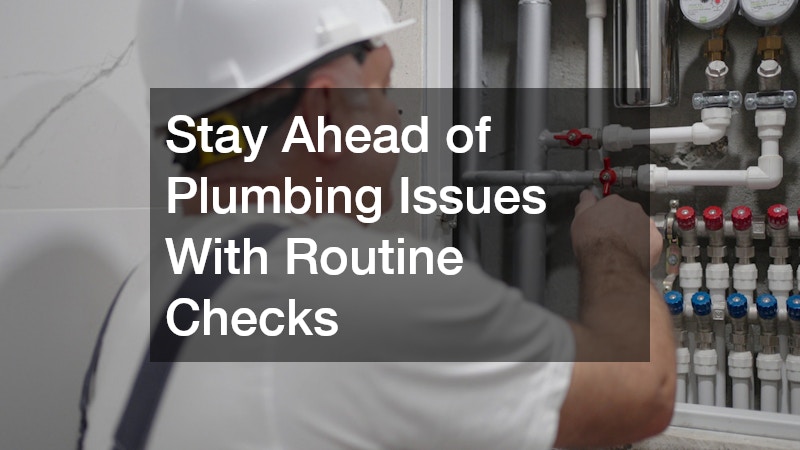
Plumbing systems are easy to forget about because they’re mostly hidden. But that invisibility is exactly what makes them risky—issues can develop without obvious signs.
A slow drain or occasional clog might seem harmless, but it often points to buildup within pipes. Over time, that buildup can restrict flow, increase pressure, and eventually cause leaks or bursts.
Instead of waiting for problems, focus on small, consistent habits:
- Avoid pouring grease or debris down drains
- Use strainers to catch hair and particles
- Run water regularly in less-used fixtures
- Check exposed pipes for corrosion or condensation
One of the most costly issues homeowners face is hidden pipe damage beneath floors, which can lead to slab leak repair. Catching early signs—like subtle drops in pressure or unexplained moisture—can prevent that outcome.
Routine attention also reduces the likelihood of needing major plumbing repair. It’s not about constant monitoring—it’s about noticing when something feels off and acting quickly.
Improve Drainage Around Your Home’s Foundation
Water that isn’t properly directed away from your home doesn’t just disappear—it settles. And when it settles near your foundation, it can create long-term structural issues.
You might notice small cracks in walls or uneven flooring and assume it’s normal settling. In some cases, it is. But in others, poor drainage is slowly undermining the stability of the structure.
Start by observing how water behaves after rain. Does it pool near the base of the house? Does it flow toward or away from the foundation?
If water consistently collects, adjustments are needed. This might include regrading the soil, extending downspouts, or improving runoff paths. In some cases, a new gutter install can dramatically improve how water is managed.
There’s also a connection between the roof and the ground. A well-maintained roofing service ensures water is directed properly from the top down, preventing overflow that contributes to foundation issues.
Addressing drainage isn’t always urgent—but ignoring it can lead to some of the most expensive repairs a homeowner will face.
Plan Small Upgrades Before Major Renovations Are Needed
Many homeowners think of upgrades as optional or cosmetic. But in reality, small improvements can prevent larger failures and even increase the overall value of a home.
For example, replacing aging fixtures, updating worn materials, or reinforcing structural elements can extend the life of key systems. These aren’t dramatic changes—they’re strategic ones.
A homeowner preparing for a house appraisal might realize that deferred maintenance has lowered their property’s value. Small issues—like outdated finishes or minor structural wear—can add up in the eyes of an appraiser.
Working with a home remodeling service on targeted updates can address these concerns early. Instead of waiting for something to break, you’re strengthening your home proactively.
Think of upgrades not as expenses, but as investments in durability and long-term savings.
Create a Seasonal Home Maintenance Routine
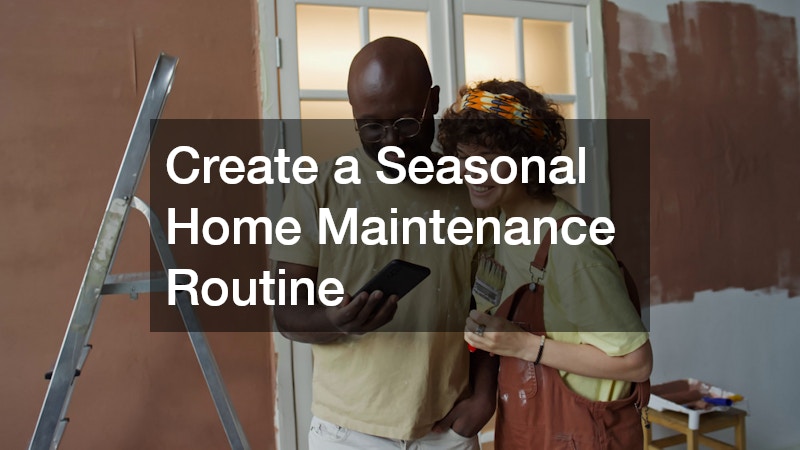
Consistency is what ties all of these habits together. Without a routine, even the best intentions can fall through the cracks.
A seasonal approach works well because it aligns with natural changes in weather and usage. Spring might focus on cleaning and inspection, while fall prepares the home for colder conditions.
The goal isn’t to create a long checklist—it’s to build a rhythm that feels manageable.
Some tasks may prevent larger projects entirely. Keeping up with roof care, for example, can delay or eliminate the need for major work down the line. Protecting outdoor structures ensures features remain functional and durable throughout the year.
Over time, these small efforts add up. What once felt like maintenance becomes second nature, and your home stays in better condition with far less stress.
Build Habits Today to Avoid Repairs Tomorrow
Expensive repairs rarely happen without warning. More often than not, they’re the result of small issues that went unnoticed or unaddressed.
By shifting your focus from reactive fixes to proactive habits, you change the entire equation. Instead of scrambling to solve problems, you’re preventing them from forming in the first place.
It doesn’t require specialized knowledge or constant effort—just awareness and consistency. A few minutes here and there, applied regularly, can protect your home, your budget, and your peace of mind for years to come.